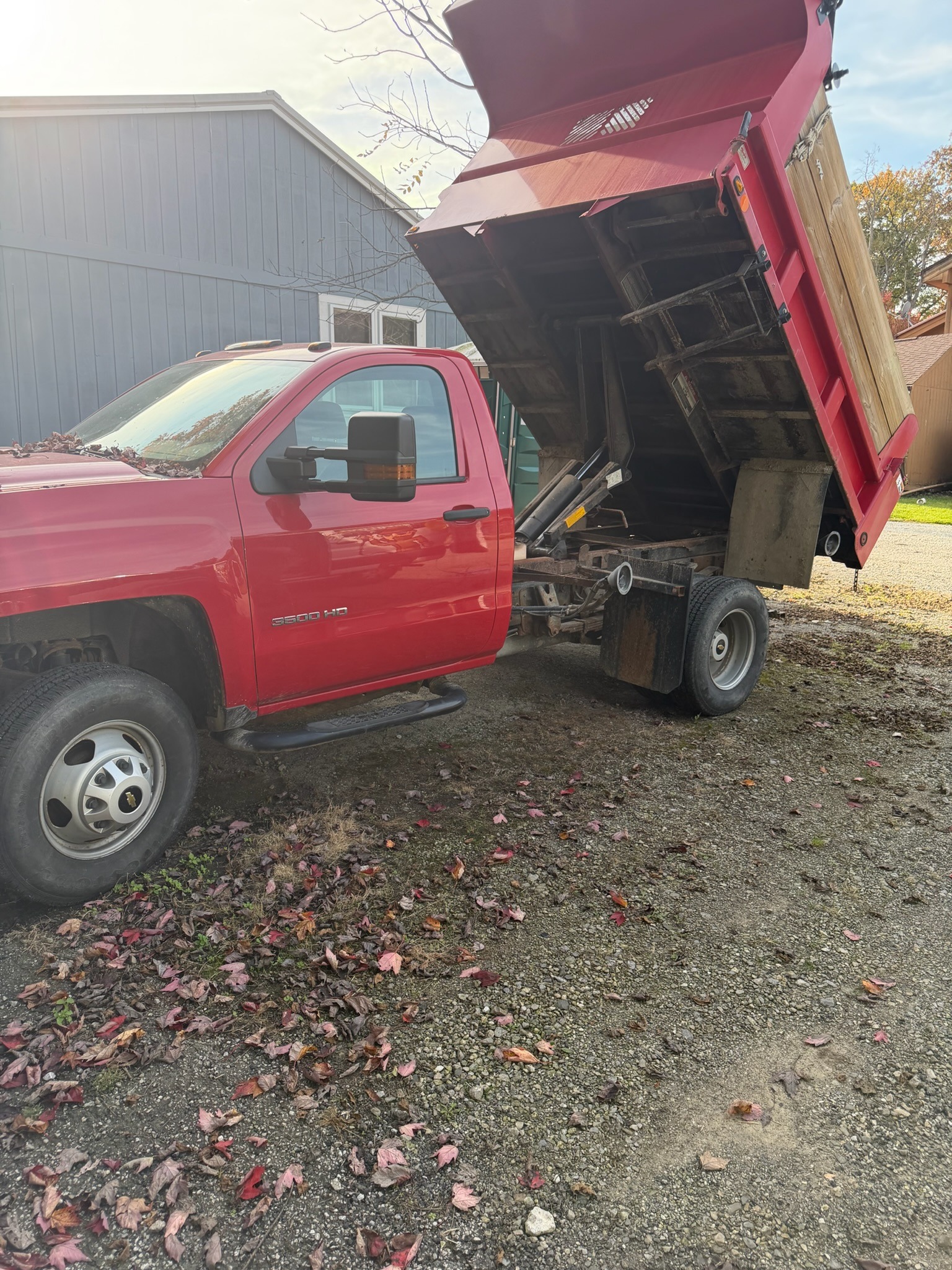
Yes, road salt damages cars, and most of it happens underneath where you don't see it. Rust happens whenever moisture and air meet metal, and the salt and brine that keep Northeast Ohio roads safe in winter speed that up. Here's what crews put down, why brine is especially hard on an undercarriage, and what you can do about it.
Curious how much salt exposure your daily driving adds up to? Try our free Rust Risk Check. It's a quick educational estimate, not an inspection.
What goes on the roads here
Rock salt is sodium chloride, the mineral called halite, according to Ohio's Local Technical Assistance Program (LTAP), which publishes snow and ice guidance through ODOT. Much of ours comes from close by. ODOT spokesperson Brent Kovacs told Cleveland19 in October 2026, "We get a lot of our salt from underneath Lake Erie."
Brine is salt mixed into water, about 23 percent salt by weight. Crews can spray it before a storm so snow doesn't bond to the pavement, and they also spray it onto rock salt as it's spread. Ohio LTAP guidance also describes brines blended with additives, including calcium chloride.
ODOT isn't the only crew treating your commute. In Cuyahoga County, ODOT mainly salts the interstates, while cities take care of their own streets, so how much ends up on your route depends on where you drive.
Why brine is hard on your undercarriage
AAA explains that liquid de-icers work well on the road because they can go down before a storm and melt ice faster, but "these same characteristics can be even more damaging to vehicles since the chemicals remain in liquid form longer and are more likely to coat components and seep into cracks and crevices where corrosion can accelerate."
The Minnesota Pollution Control Agency's stormwater manual, which summarizes de-icer research, adds that magnesium chloride and calcium chloride "may be more corrosive than sodium chloride due to a longer time of wetness," while all three are still highly corrosive. AAA says rust damage goes beyond looks and can affect a vehicle's brakes, fuel tank, and exhaust system.
Where salt collects
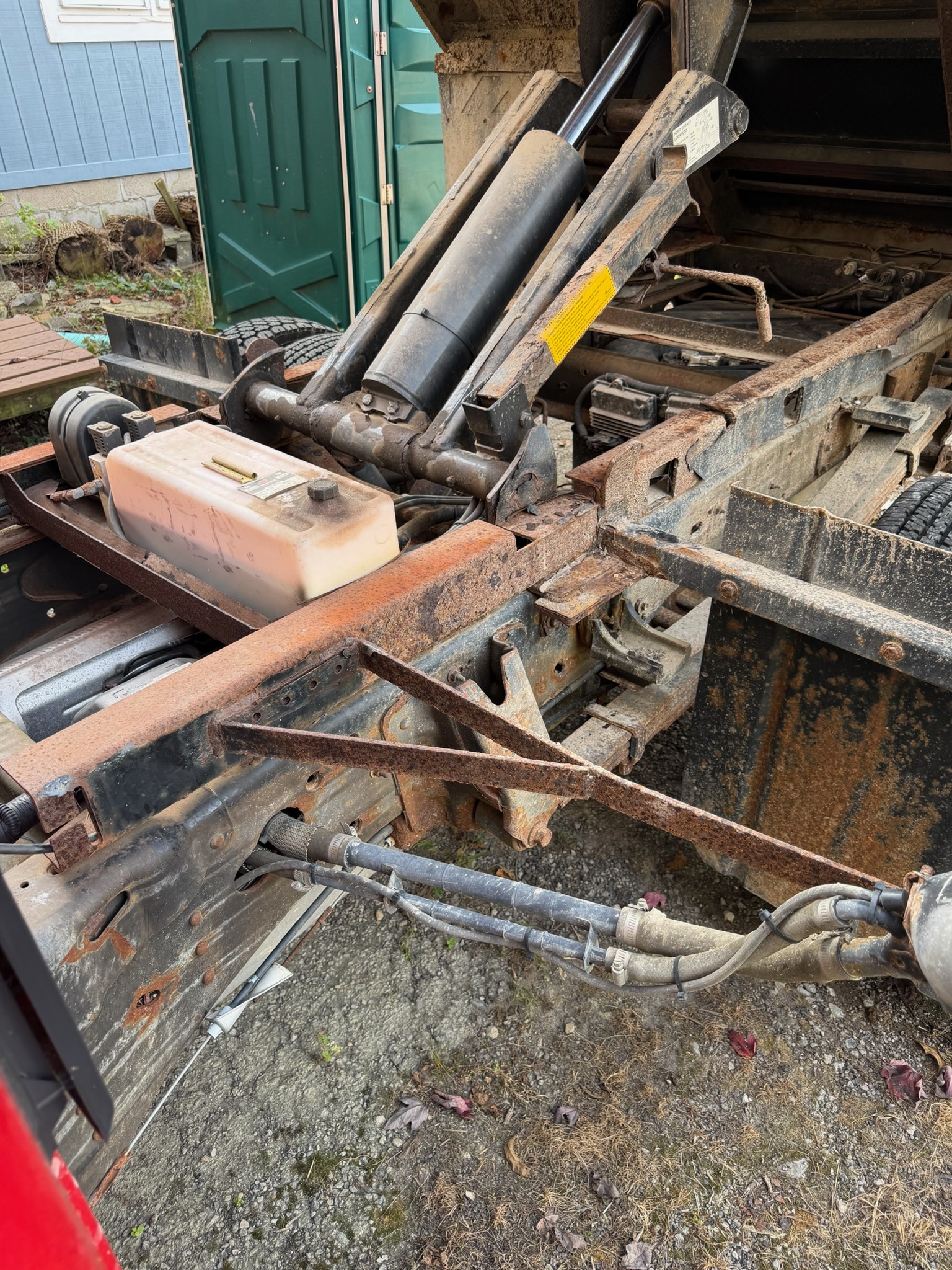
Salt spray reaches the whole underside, but some spots hold onto it. Consumer Reports, quoting a coatings expert, notes that rust can start when "mud, sand, and salt get stuck in hard-to-clean recesses of a vehicle's underbody," and that areas down by the wheel wells can trap moisture and salt. Worth a look a few times a season:
- Inside the wheel wells and just behind each tire
- Frame rails, seams, and crossmembers
- Suspension parts and their mounts
- Brake and fuel lines along the underside
- The exhaust system
A flashlight in daylight is enough for a first look. Stay out from under the vehicle unless it's properly supported, and never get under one that's only on a jack. If you see holes, soft metal, or heavily corroded lines, have a mechanic look. Our pickup truck frame rust guide goes spot by spot on a truck.
How to limit the damage
Rinse it off regularly. Consumer Reports' experts advise a car wash about once a month during snow season, or more often if the vehicle is coated in salt, with a wash that cleans the undercarriage. AAA cautions against excessive water pressure underneath, since it can force deposits into small cracks and crevices.
When you can, AAA suggests limiting driving right before, during, and after winter storms, when de-icers are at their highest concentrations. It also recommends touching up paint chips that expose bare metal.
Don't stop in March. AAA recommends one last undercarriage cleaning in spring, because "any deposits left over from winter can continue to cause corrosion year-round if not properly removed."
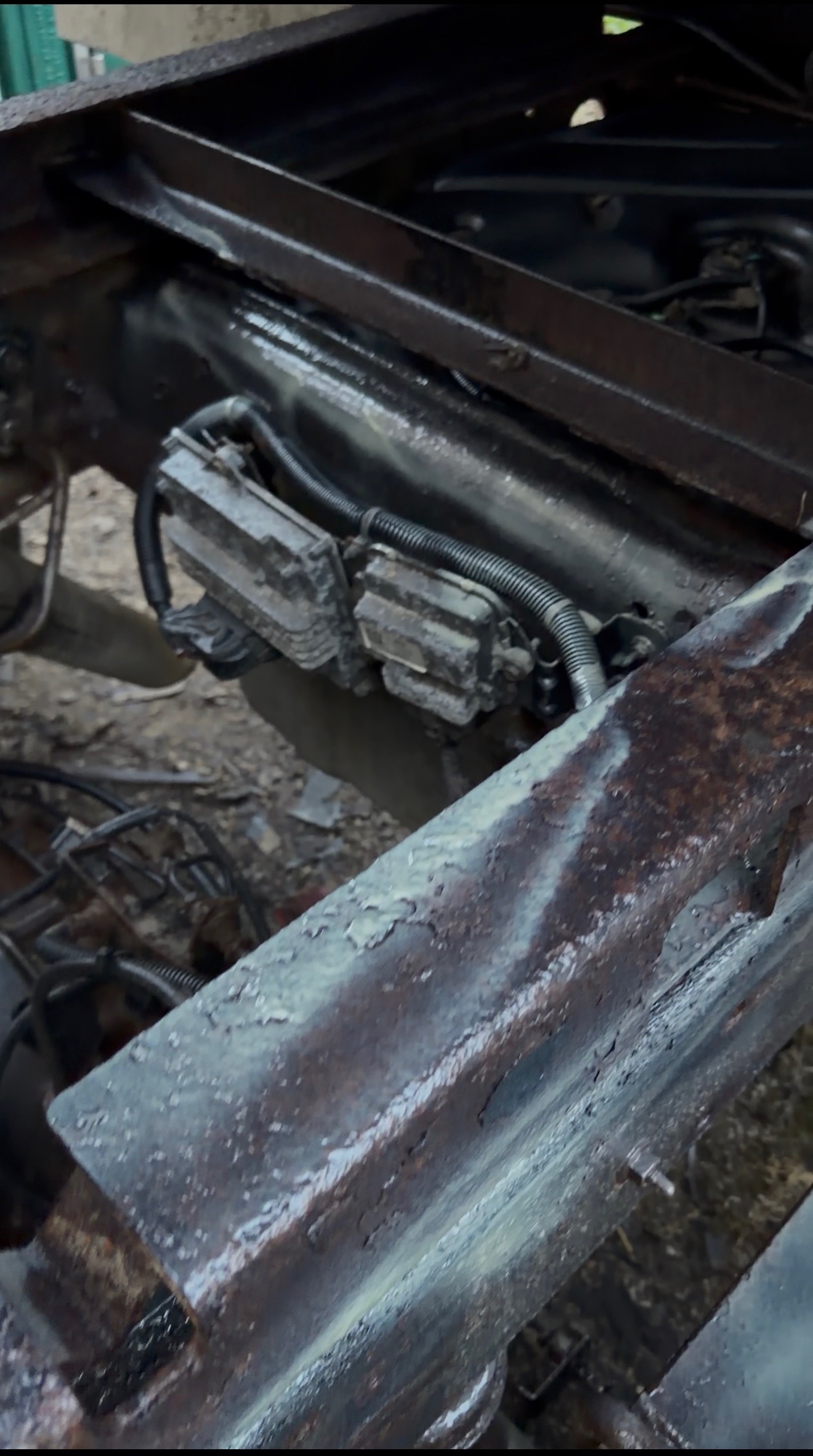
Professionally applied undercoating adds another layer of protection. Our WoolWax® wool-grease undercoating is non-drying, goes on gel-like, and firms toward a wax-like feel over several weeks of driving. It stays flexible, so it can be inspected and re-applied, and it helps protect against rust and corrosion, though no product can fully prevent rust, and it won't repair, remove, or reverse rust that's already there. We recommend having it checked periodically and planning to re-coat about every 2 to 3 years, depending on your driving habits, mileage, weather, and road conditions. Vehicles that see more miles or a lot of road salt and brine may benefit from more frequent applications. See how long undercoating lasts for more.
Already driven on salt this season?
You haven't missed your chance. Any time of year is a good time to protect your vehicle, and we work year-round: we can spray outdoors above 37 degrees, weather permitting, and a garage or other indoor space works too. An undercarriage wash before your appointment helps, at a car wash or at home with a hose attachment. When needed, we scrape larger areas of loose or flaking rust first, and additional scraping fees may apply depending on condition. We don't do rust restoration, extensive rust removal, or structural repair. Our guide to undercoating a vehicle that already has rust explains what to expect.
We come to your home or workplace. The wool-grease application typically takes about 90 to 120 minutes, depending on the vehicle's size, condition, and prep, and you can drive immediately afterward. Ready to book? Send a request through the form at www.undercoverundercoaters.com or call 216-999-5302. For work trucks, commercial vans, or fleets, use the commercial inquiry on our Fleets & Dealerships page.
Frequently asked questions
Is brine worse for my car than rock salt?
It can reach more places. AAA says liquid de-icers stay liquid longer, so they're more likely to coat parts and seep into cracks and crevices where corrosion can speed up.
How long before road salt damages a car?
There's no set timeline. It depends on how much salt the vehicle sees, how often it's rinsed, and the condition of the metal. That's why regular washing and a look underneath a few times a season matter.
UnderCover UnderCoaters Cleveland West · 216-999-5302 · Convenient mobile undercoating services throughout Greater Cleveland and Northeast Ohio. We come to your home or workplace!