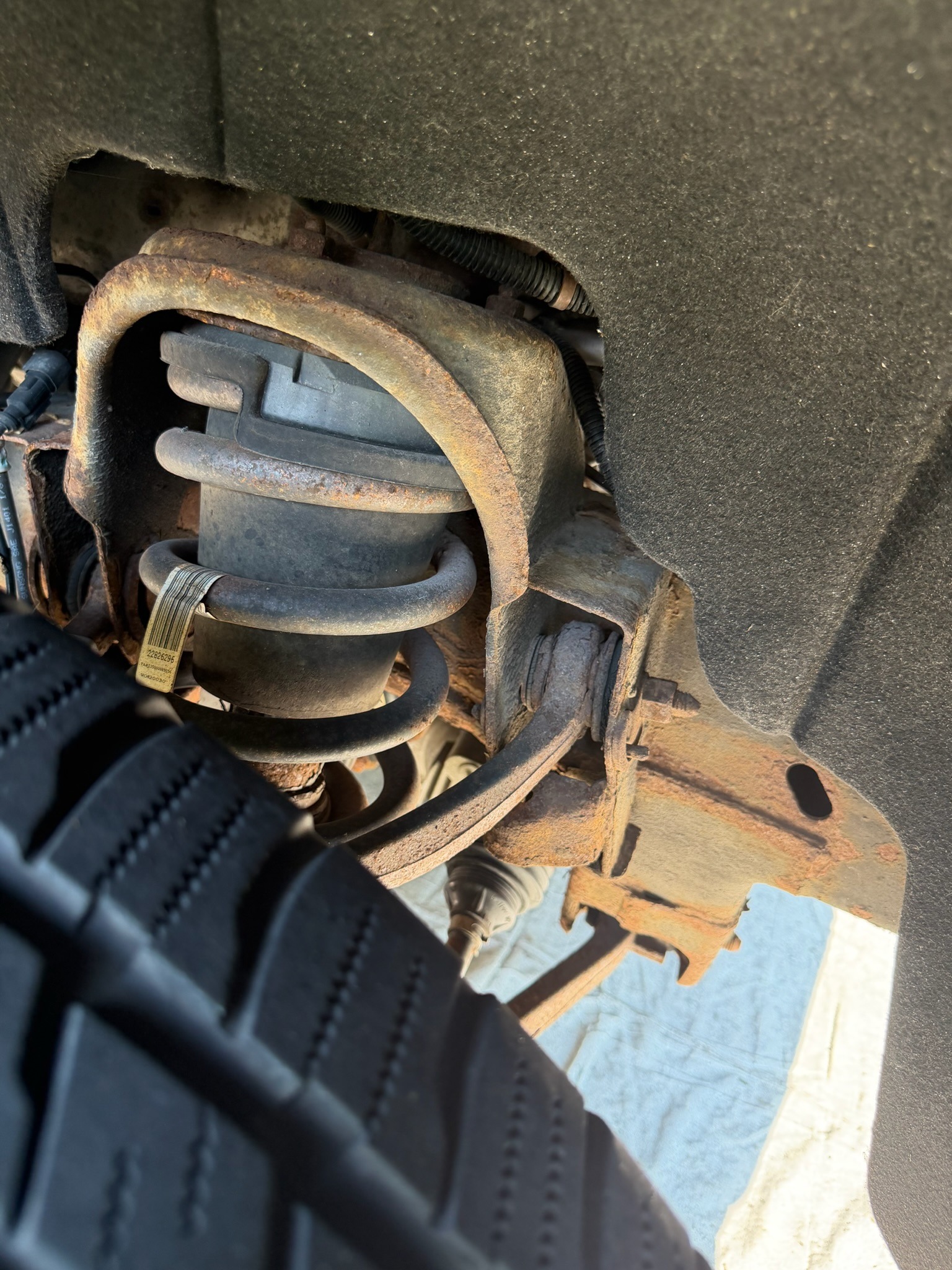
Check the places road salt and spray reach, then pay a mechanic to look at it properly before you hand over any money. A vehicle that has lived through Northeast Ohio winters will likely show some rust somewhere. What matters is where it is and how far it has gone: light surface rust on solid metal is a different story from flaking that goes through, soft spots, or heavily corroded brake and fuel lines. If the underside has been coated, ask what was applied and when.
We protect vehicles after you buy them; deciding whether a particular one is a good buy is a job for a mechanic's pre-purchase inspection. Here's what to look at first, what to ask, and what to do once it's yours.
Curious how exposed a vehicle is to Northeast Ohio winters? Try our free Rust Risk Check. It's a quick educational estimate, not an inspection.
Why the underside matters here
Road salt, or a liquid version of it, is used all winter across our region. Consumer Reports notes that "salt accelerates rust, which can damage safety-related equipment for braking, steering, suspension, and fuel systems." When you're looking at a used vehicle that has spent winters here, the underside tells you more about its history than the paint does.
Where to look: a flashlight check
You don't need to crawl under anything for a first look, and you shouldn't. Stay out from under the vehicle unless it's properly supported, and never get under a vehicle that's only on a jack. A flashlight, daylight, and a few minutes from the side and rear will tell you plenty.
Consumer Reports' used-car checklist says rust "is always a cause for concern" and to check "the body for blistered paint or visible rust," including the wheel wells and panels, especially beneath the doors, and door bottoms. It also suggests checking the spare tire well for water or rust, and notes that "though some rust is normal, heavy rust could mean the vehicle needs a new exhaust system."
Add these places to your look:
- Wheel wells and the edges of the wheel openings
- Bottoms of doors and the panels beneath them
- Frame rails, and where crossmembers and suspension parts attach
- Brake lines and fuel lines, where you can see them
- Exhaust pipes and mounting points
- The spare tire well and the trunk or cargo floor
This is a way to decide whether a vehicle is worth paying a mechanic to inspect, not a diagnosis. We don't diagnose rust from photos, and a flashlight won't show what a lift will.
Light surface rust vs. a deal-breaker
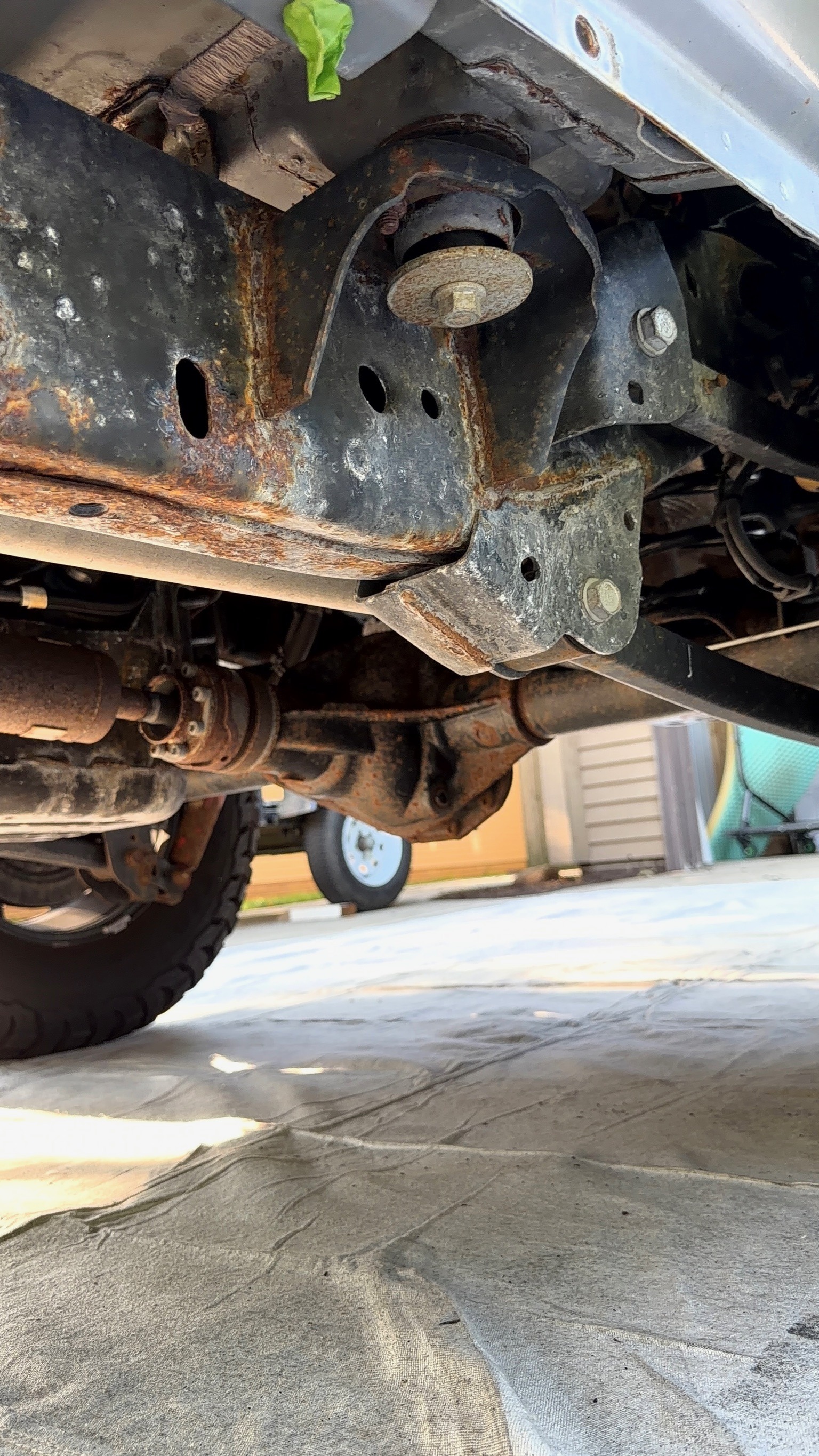
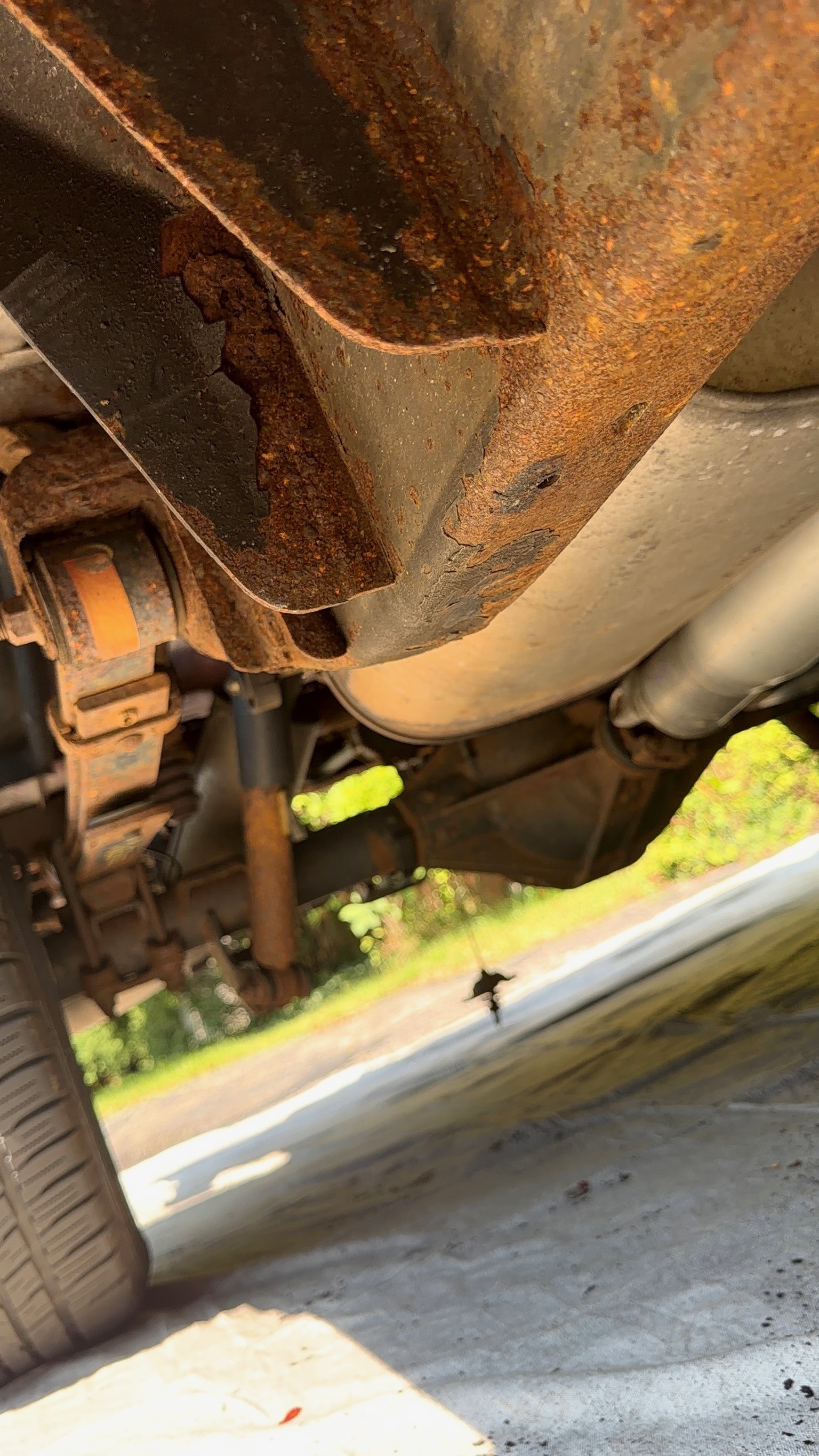
Surface rust on solid metal is common on vehicles that have lived through Northeast Ohio winters. Flaking and scale are a step further. Holes, soft spots, metal that crumbles when pressed, or flaking that goes all the way through are another matter and need a mechanic or body shop's judgment before anything else. Our guide on undercoating a vehicle that already has rust explains the differences in more detail.
Photos of rust can be misleading in both directions, so use them as a prompt for questions, not as a verdict. If a seller won't let a mechanic look, that's worth weighing too.
What if the underside has been coated?
A coated underside often means someone took steps to protect the vehicle. Ask the seller a few rust-history questions so you know what you're getting:
- Where has the vehicle spent its winters?
- What was applied, when, and by whom?
- Is there paperwork for that work or for any frame, brake line, or exhaust repairs?
Consumer Reports' used-car checklist notes that "welding on the frame suggests that a section might have been replaced or cut out to perform repair work," so mention any welding you see to your mechanic.
Get a mechanic's inspection before you buy
Consumer Reports says to "take any used car you're considering to a mechanic for a thorough inspection." Ask the mechanic for a written report of the vehicle's condition and any problems found.
When you book the inspection, tell the mechanic you're specifically concerned about rust. Ask them to check the frame or subframe, brake and fuel lines, suspension mounting points, and the underbody.
After you buy: protect what's worth protecting
If the metal is sound and what you see is surface rust, right after you buy is a great time to protect it. Professionally applied wool-grease undercoating helps shield the underside from moisture and Northeast Ohio road salt and brine through the winters ahead.
Our wool-grease undercoating can go on vehicles with existing surface rust. When needed, we scrape larger areas of loose or flaking rust first, and additional scraping fees may apply depending on condition. It will not repair, remove, or reverse rust that's already there. It's non-drying and formulated to help reduce corrosion. No product can fully prevent rust. It stays flexible, so it can be inspected and re-applied. Metal with holes or soft spots needs a mechanic or body shop first. We don't do rust restoration, extensive rust removal, or structural repair.
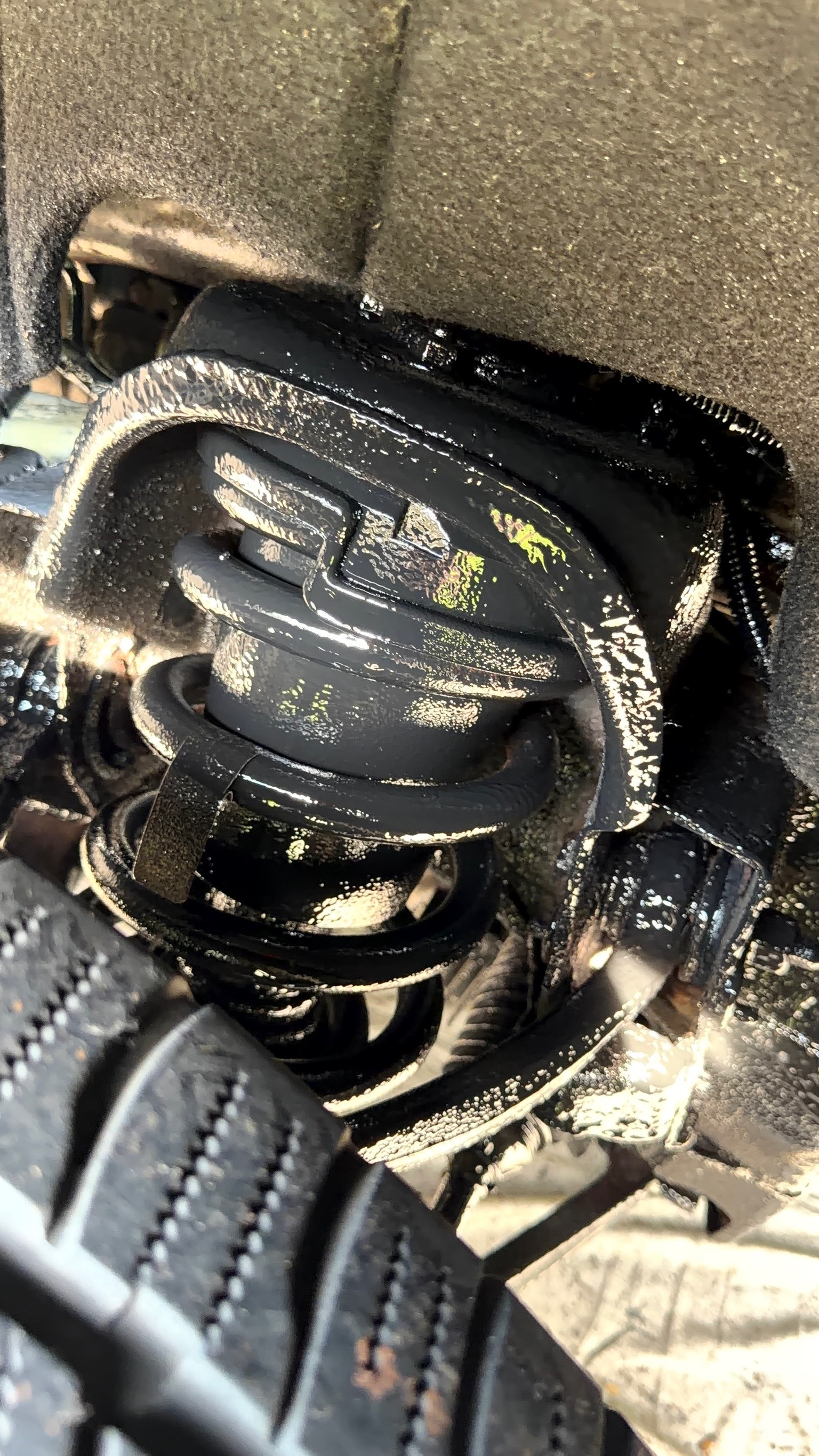
Clear and Premium Black both provide the same wool-grease corrosion protection. Premium Black is a popular upgrade with a rich black look. See Clear vs. Black undercoating and undercoating a vehicle that already has rust.
For our wool-grease undercoating, we recommend having it checked periodically and planning to re-coat about every 2 to 3 years, depending on your driving habits, mileage, weather, and road conditions. Vehicles that see more miles or a lot of road salt and brine may benefit from more frequent applications. If winter is close, see when to undercoat before a Northeast Ohio winter.
What a mobile undercoating appointment looks like
We come to your home or workplace. We raise the vehicle on ramps and apply wool-grease across the undercarriage. It typically takes about 90 to 120 minutes, depending on the vehicle's size, condition, and prep, and you can drive immediately afterward.
An undercarriage wash beforehand helps, at a car wash or at home with a hose attachment. Our service-day guide walks through each step.
Ready to book? Send a request through the form at www.undercoverundercoaters.com or call 216-999-5302. For work trucks, commercial vans, or fleets, use the commercial inquiry on our Fleets & Dealerships page.
Frequently asked questions
Is surface rust on a used car okay?
It's common on vehicles that have been through Northeast Ohio winters, but "okay" depends on where it is and how far it has gone. That's a judgment for a mechanic, and we can't make it from a photo. Holes, soft metal, and flaking that goes through need a mechanic or body shop first.
Can undercoating hide rust on a used car?
A quality undercoating is there to protect the metal, not hide it. Our wool-grease stays flexible and non-drying, so the underside can still be inspected and the coating re-applied. On any coated vehicle, ask what was applied, when, and by whom, keep the paperwork, and have a mechanic look at the underside as part of the pre-purchase inspection.
Can you look at a used car before I buy it?
No. That's a job for a mechanic's pre-purchase inspection. Once you've bought it and the metal checks out, we can help protect it.
UnderCover UnderCoaters Cleveland West · 216-999-5302 · Convenient mobile undercoating services throughout Greater Cleveland and Northeast Ohio. We come to your home or workplace!